CULTURAL MEMORY / SONIA HU / JULY 21, 2026
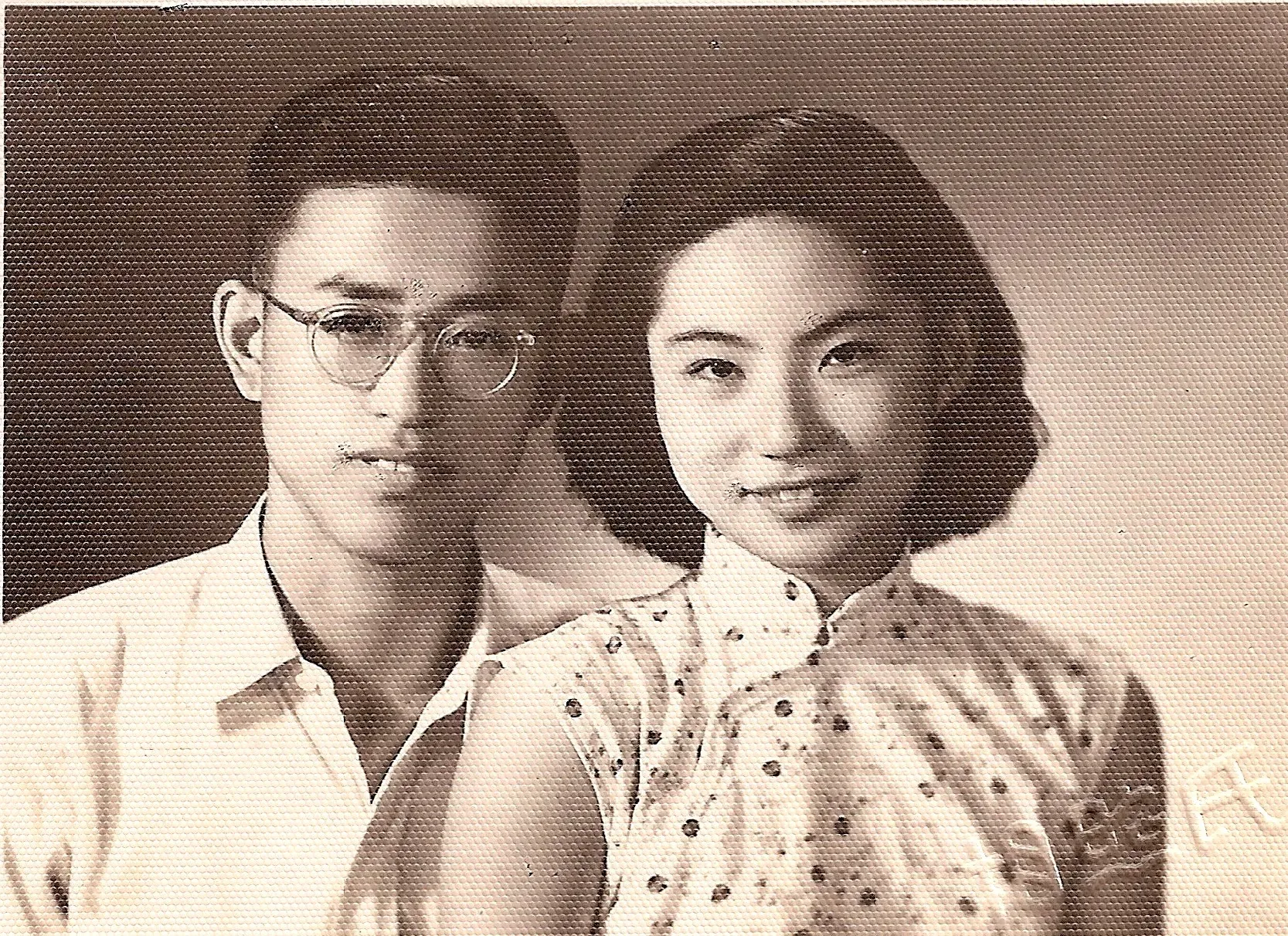
The Book My Father Never Wrote父親沒有寫下的那一本書
Why family memoir and oral history are part of preserving cultural memory.從父親未曾寫下的人生故事出發,思考家族記憶、口述歷史與非虛構寫作,如何保存個人的生命經驗,以及那些可能隨時間消逝的文化記憶。
Read the perspective閱讀觀點 ↗Short perspectives on culture, creative judgment and the changing ways we make meaning.從文學、藝術與文化研究出發,探討人類智識、創造性判斷與人工智能之間的關係,分享我們對文化傳承、創作與未來的思考。

Why family memoir and oral history are part of preserving cultural memory.從父親未曾寫下的人生故事出發,思考家族記憶、口述歷史與非虛構寫作,如何保存個人的生命經驗,以及那些可能隨時間消逝的文化記憶。
Read the perspective閱讀觀點 ↗
Generative AI is changing how content is created. Meaningful creation also requires cultural understanding: knowledge of history, human nature and social experience, together with independent thought and creative judgment.生成式人工智能正在改變內容創作的方式,但技術能力並不等同於文化理解。真正有價值的創作,不僅需要知識與資訊,更需要對歷史、人性、文化背景與社會經驗的深入認識,以及獨立思考與創造性判斷。
Generative artificial intelligence is changing how content is created, but technical capability is not the same as cultural understanding. Meaningful creation requires more than knowledge and information: it calls for a deep understanding of history, human nature, cultural context and social experience, together with independent thought and creative judgment.
At LONG Cultural Intelligence, we believe AI can expand human research, imagination and expression, while the cultural knowledge accumulated through human experience can give technology direction and meaning. This collaboration is about more than creative efficiency: it opens new possibilities for thought, artistic expression and cultural communication.
龍文化智識相信,人工智能可以拓展人類的研究、想像與表達能力,而人類長期積累的文化智識,則能為技術應用提供方向與意義。兩者的結合,不只是提高創作效率,更是探索新的思想、藝術表達與文化傳播方式。
Creative DNA extends beyond style and form, drawing on lived experience, cultural knowledge, intellectual perspective, and the aesthetic awareness and creative judgment developed over time.每一位創作者都有獨特的創作 DNA。它不僅體現在作品的風格與形式,更來自個人的生命經驗、文化積澱、知識結構、思想方式,以及長期形成的審美意識與創造性判斷。
Every creator possesses a distinctive creative DNA shaped by lived experience, cultural knowledge, intellectual perspective, emotional memory, and independent judgment.
For writers, this individuality emerges through language, narrative, and the interpretation of human experience. For filmmakers, it takes form through visual storytelling and emotional expression. For visual artists, it is reflected in composition, color, spatial imagination, and aesthetic vision.
Artist DNA explores the deeper creative intelligence behind these individual forms of expression. At LONG Cultural Intelligence, we are interested in how this understanding can inform meaningful collaboration between human creators and artificial intelligence—without reducing creativity to stylistic imitation.
對作家而言,這種獨特性體現在文字風格、敘事方法與理解人性的視角;對電影人與視覺藝術家而言,則體現在影像敘事、藝術語言與審美表達。龍文化智識希望透過 Artist DNA 的研究,理解不同創作者的獨特性,並探索如何在人工智能時代,將人類的知識、經驗與創造力延伸至新的創作領域。
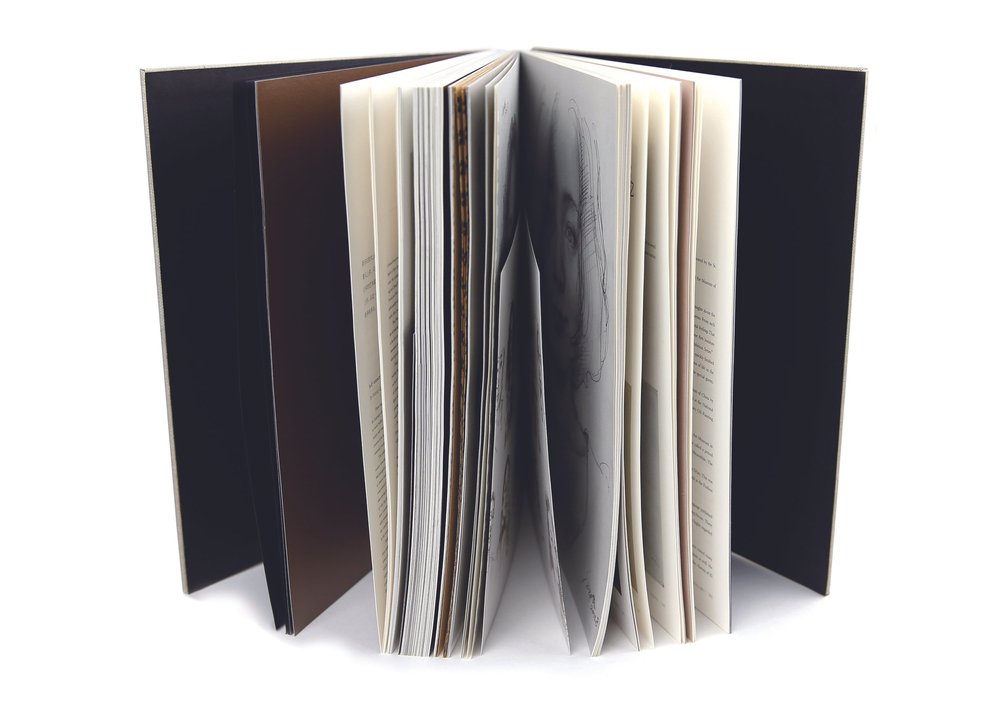
Publishing makes ideas available beyond the moment in which they are created.出版不僅是文字與圖像的傳播,更是對人類思想、生命經驗與文化記憶的保存。一本傳記、一部小說、一首詩,或一本藝術家的作品畫冊,都承載著創作者對人生、歷史與世界的獨特理解。
Publishing makes ideas available beyond the moment in which they are created. The editorial process gives a story structure, identifies its context and considers the reader. These same habits matter in documentary work, artist archives and cultural research. For LONG, publishing is a continuing practice of preserving and interpreting experience—and a foundation for work across media.
龍出版社以文學與藝術為根基,透過創作、編輯、研究與出版,讓不同時代的思想與故事得以延續。進入人工智能時代,這些長期積累的文化資源,也將成為跨語言、跨媒介創作與知識產權開發的重要基礎,讓出版從保存文化走向創造更多可能。